Montessori: preparation for life
A method that sees the child as the architect of their own learning, built on hands, eyes and curiosity. At our school we combine it with the best of Waldorf and Reggio Emilia.
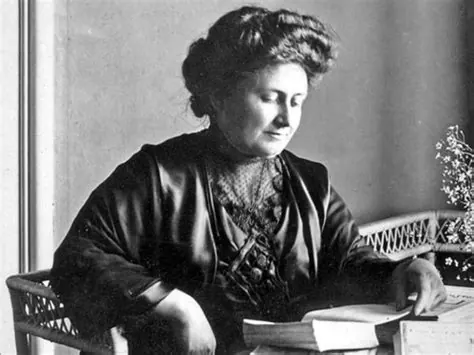
“Never help a child with a task at which he feels he can succeed.”
The story of a visionary
Maria Montessori broke with the conventions of her time and developed a pedagogy that is now practised widely around the world.
With the first "Casa dei Bambini" (Children's House) she opened in Rome, she showed how children develop when they are supported with the right materials. Her philosophy sees the child not as a passive recipient but as an explorer of the world.
Cornerstones of our philosophy
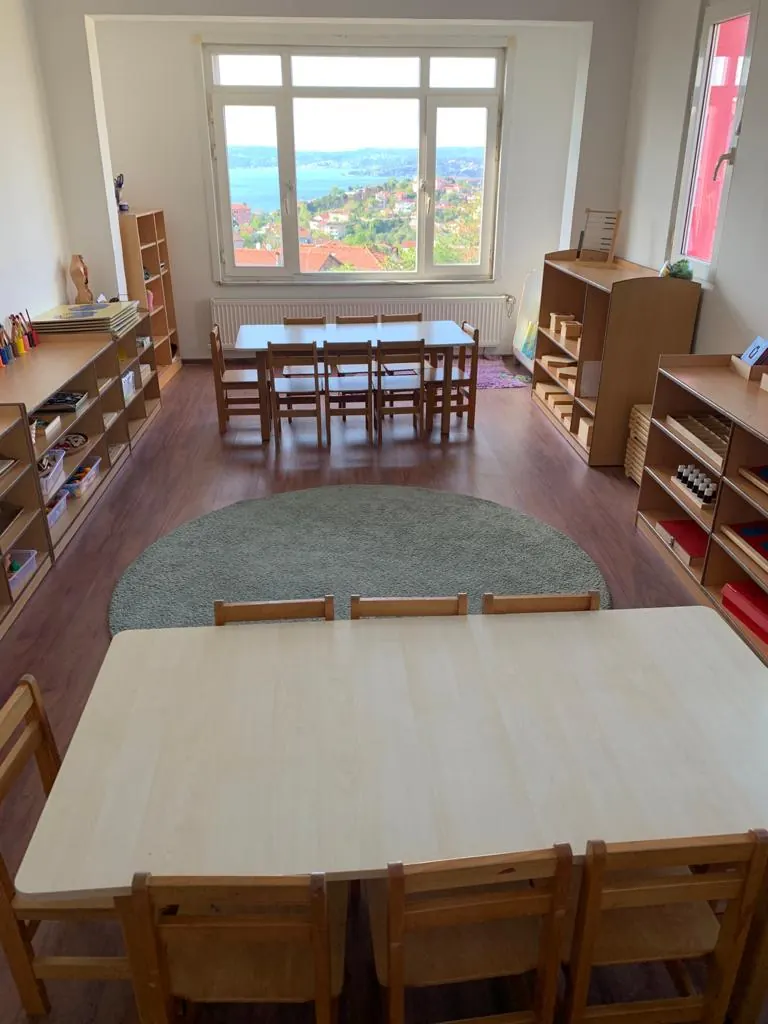
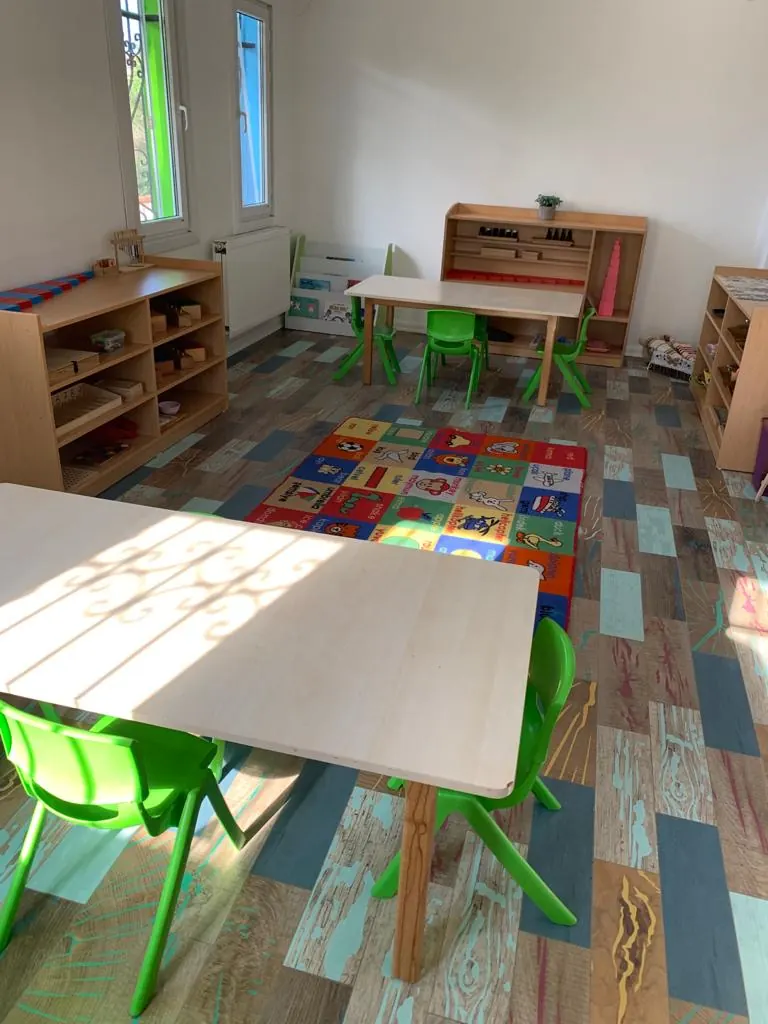
Montessori puts the prepared environment at the heart of education. The teacher is not an authority figure but a guide who prepares the space.
Children learn at their own inner pace, by touching and experimenting. Concrete materials open the door to abstract ideas.
The Montessori curriculum
Five core areas that support children's development as a whole.
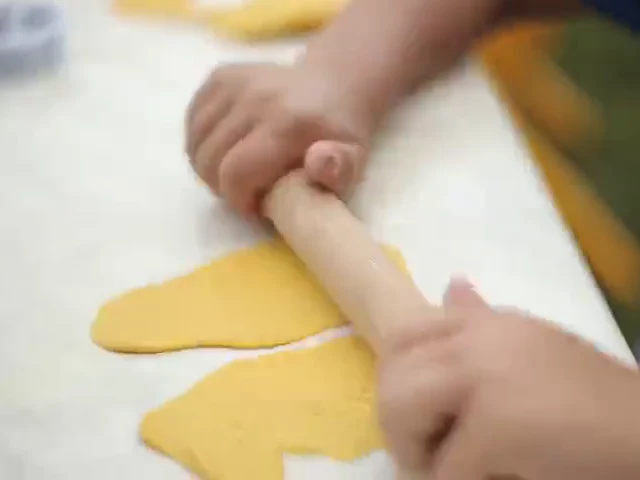
Practical life
Real-life work that builds independence and confidence.
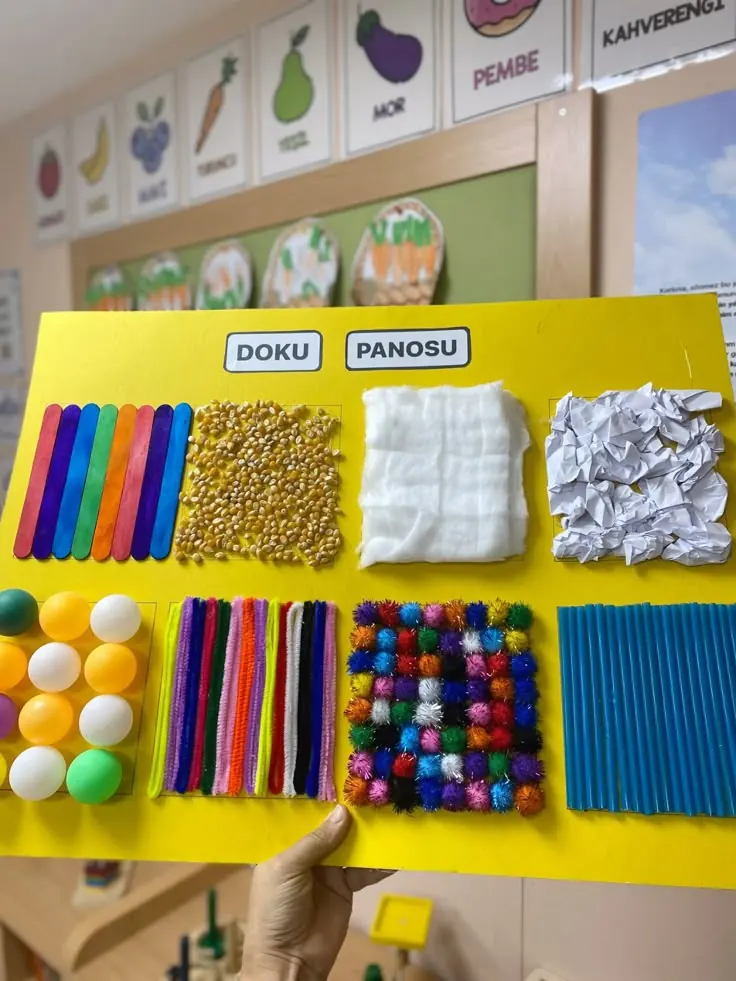
Sensorial
Materials that refine the five senses.
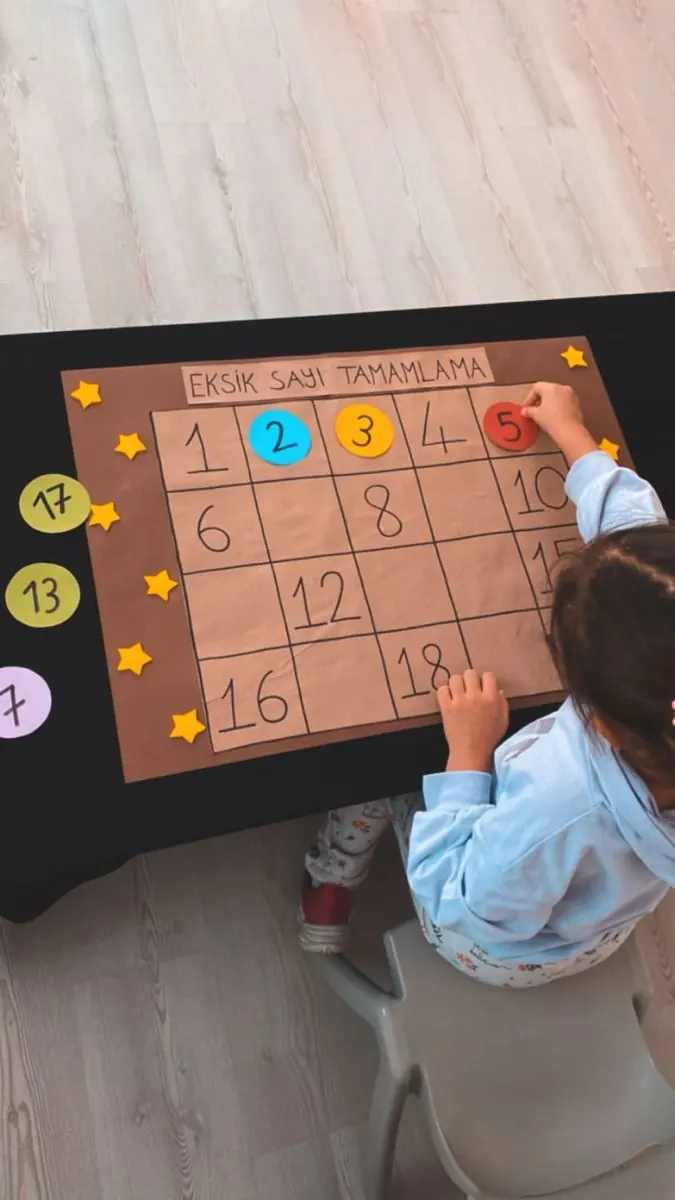
Mathematics
A journey into logic that starts with concrete materials.
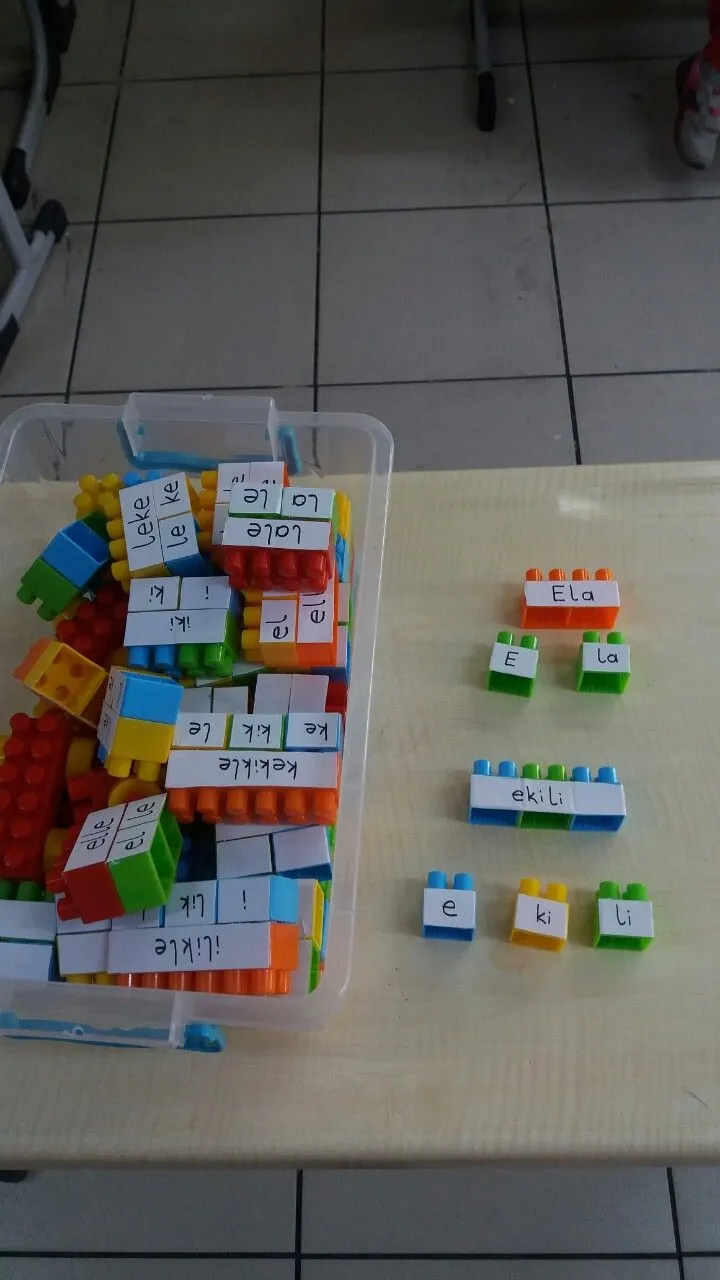
Language
Reading, writing and self-expression.
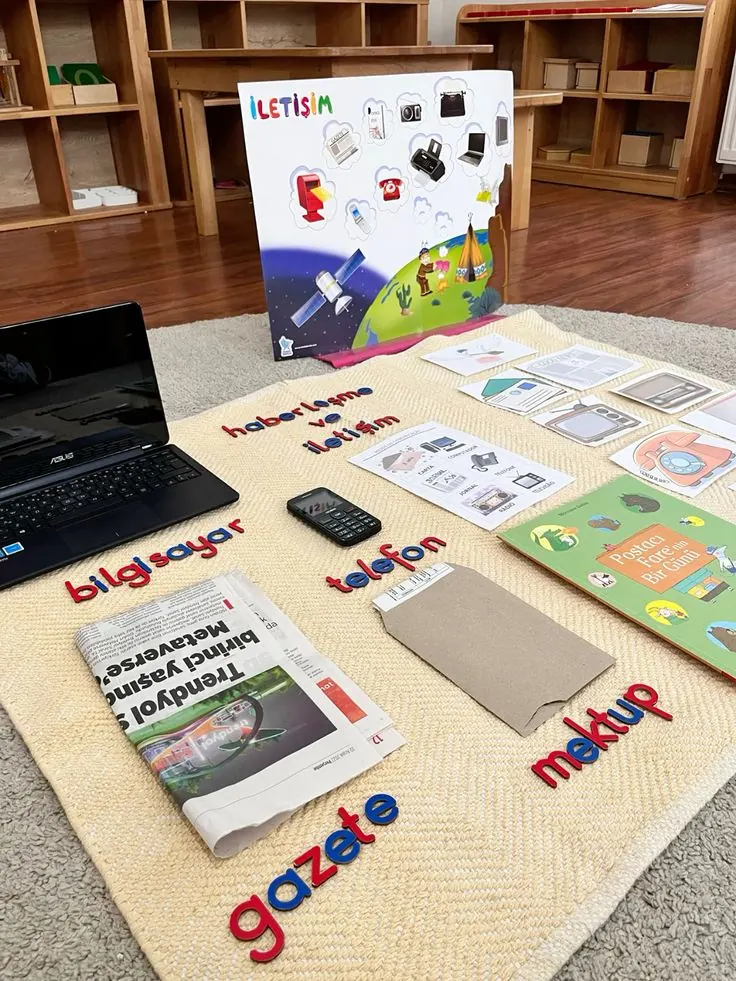
Cosmic education
Discovering the world through geography, history and science.
Planes of development
Ages 0–6
The absorbent mind
The first stage, when children absorb their surroundings effortlessly, like a sponge.
Ages 6–12
The reasoning mind
Moral values develop and "Why?" questions multiply.
Ages 12–18
The social self
A transition focused on finding one's place and a sense of belonging.
Ages 18–24
Independence
The stage of the mature adult who stands on their own feet.
Sensitive periods
Temporary windows when children show intense interest in certain skills. When these periods are supported, learning happens with ease.
- LanguageAges 0–6
- OrderAges 1–3
- Grace & courtesyAges 2–6
- MathematicsAges 4–6
Why Montessori?
Traditional education
- The same curriculum at the same pace for every child
- Teacher-centred learning based on memorisation
- External motivation: rewards, punishment and grades
Montessori education
- Individual learning at each child's own pace
- Child-centred experience with concrete materials
- Inner motivation: love of learning and self-discipline
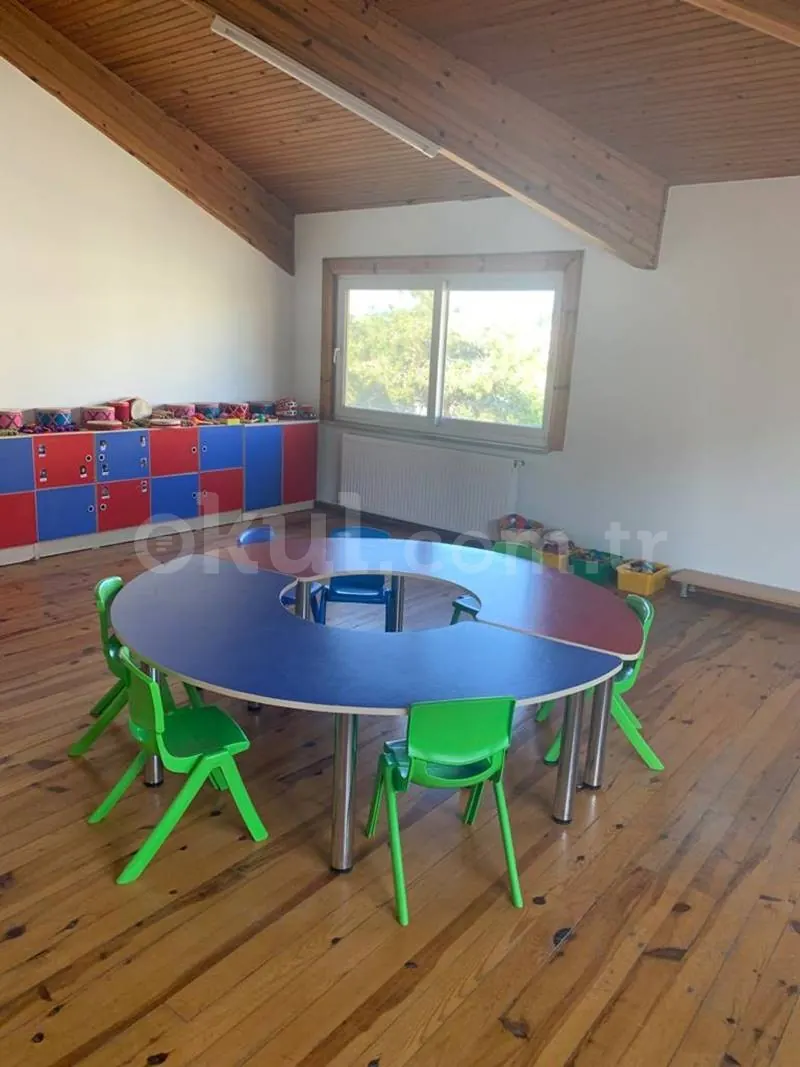
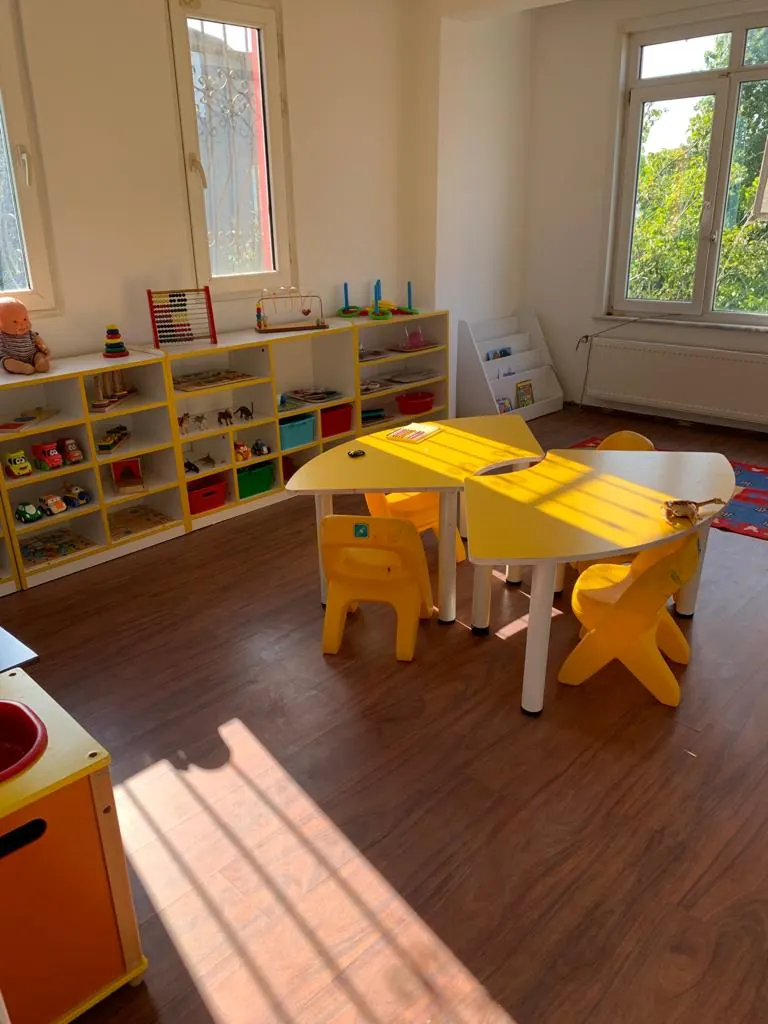
See Montessori in our classrooms
Come and tour the school; see children working with the materials with your own eyes.